
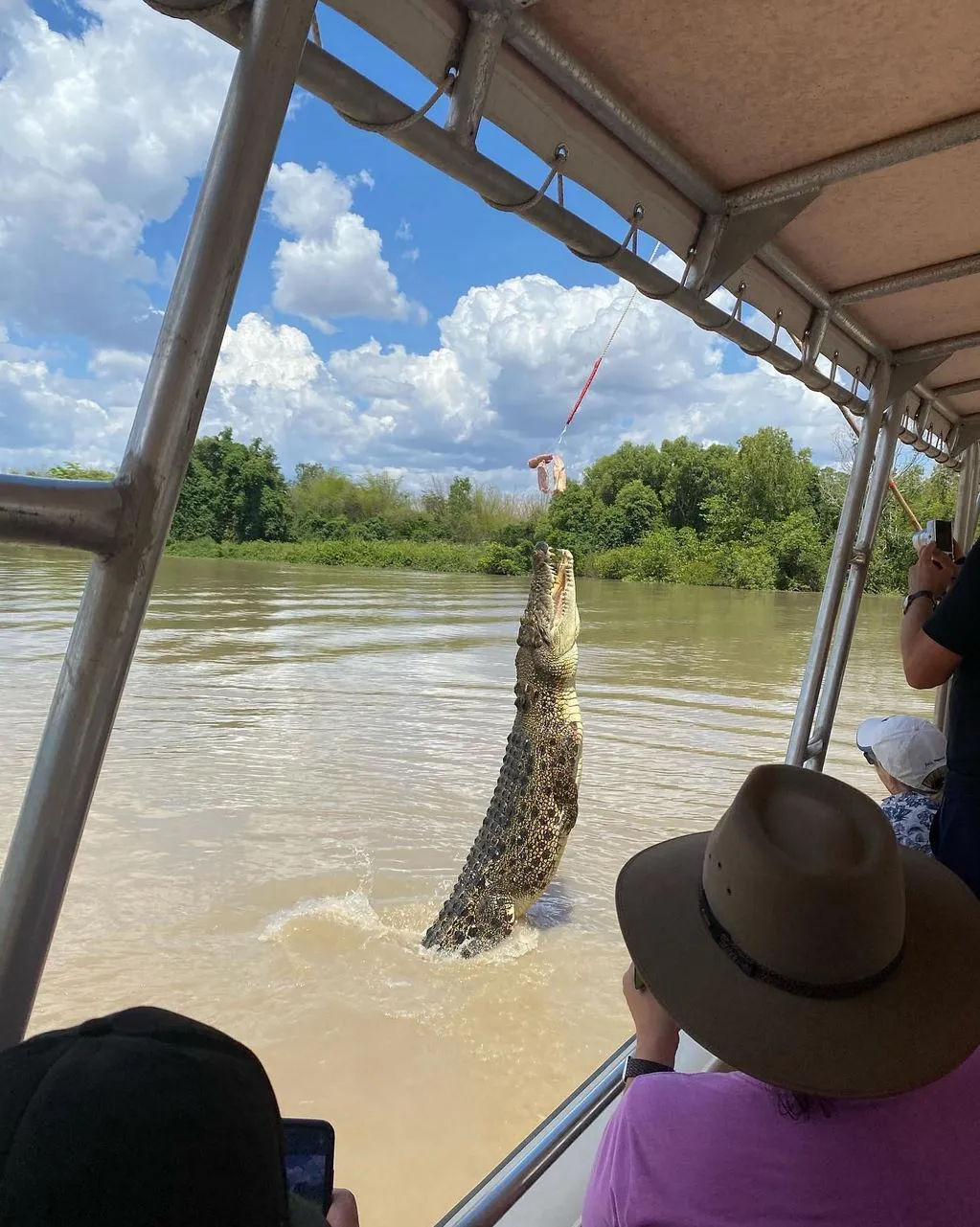
“Are there child fares, and what ages count as kids on a Jumping Crocodiles cruise?” is a question I get asked almost every single day when I’m helping folks sort out their Top End day trips. And fair dinkum, the Adelaide River can feel like a whole different world when you’ve got kids in tow, bubs in a pram, and the entire shebang to juggle as a family.
So let’s get down to the brass tacks and make things easy. I’ve done this river more times than I can shake a stick at, and trust me, when these saltwater crocs start launching out of the water like some prehistoric missile, you want to be stress-free, your family sorted, and your booking ducks in a row.
Contents
- 1 How Family Pricing Really Works Around Here
- 1.1 Ages That Count as “Kids” on the Boat
- 1.2 Quick Reference Table: Common Top End Family Pricing Details
- 1.3 What to Expect with Babies and Young Tots (Under 4)
- 1.4 Why Operators Charge an Arm and a Leg for Child Tickets
- 1.5 How Weather Conditions Ruin Family Trips on the Adelaide River
- 1.6 How Jumping Crocodile Cruise Handles Safety for Little Ones
- 1.7 The Darker Side of Interacting with Crocodiles & Cultural Sensitivity
- 1.8 Those Little Moments That Make A Big Impression
- 1.9 Checklist: Booking A Tour with Kids
- 2 My Final Words of Wisdom – Paul’s Top End Tips
- 3 FAQ
- 3.1 Do you need to buy a ticket for kids on a Jumping Crocodile Cruise?
- 3.2 Can I bring a pram or baby carriage to the meeting spot?
- 3.3 Are Jumping Crocodile Cruises safe for young kids?
- 3.4 Do tours run year-round, rain or shine?
- 3.5 Can kids handle all the wildlife commentary and crocodile jumping action?
How Family Pricing Really Works Around Here
If you’re one of those families heading up to the Top End, I’m sure you’re wondering how the child ticket fares get worked out on a Jumping Crocodile cruise. On the bright side, operators on the Adelaide River are pretty good at keeping things upfront and straightforward – that’s just part of the way we do business out here. We know that clarity is king in customer service, and that’s what our visitors value.
Family pricing is designed to make your budget more straightforward to manage before you even hit the Stuart Highway. And let’s be real: when you’re trying to wrangle water bottles, hats, sunscreen, and an over-caffeinated toddler chasing birds along the riverbank, simple is good.
Ages That Count as “Kids” on the Boat
Every operator is a bit different, but 99% of the time, a child on a Jumping Crocodile cruise is classified as between 4 to 15 years old. Under fours usually get in for free, but still gotta be included in the booking fee just in case – safety and numbers and all that.
So why that age range? It all lines up with the NT’s tourism safety regulations and national park rules – when you’re cruising with as many salties as we are, you need to make sure you’ve got the right gear and supervision. Young children under four need a bit of extra care, storage space for all the baby gear, and, depending on your mode of transport, a car seat.
Quick Reference Table: Common Top End Family Pricing Details
The figures below are a rough guide to average regional pricing & fee structures in the NT as of 2024, using data from local tourism operators & the Australian Bureau of Statistics to provide context.
Keep in Mind: Prices can differ depending on who you book with & what time of year you go – peak season (June – August) is always going to be more expensive.
| Category | Typical Range | Notes |
|---|---|---|
| Child age classification | 4–15 years | Under 4s often free but must be listed when booking |
| Average child ticket | $20–$35 | Lower rate reflects shorter tours; longer cruises cost more |
| Adult ticket | $40–$50 | Varies by operator and inclusions |
| Family discounts | 10–20% | Often applied automatically at checkout |
| Cash back promotions | Seasonal | Usually tied to booking platform partners |
| Infant requirements | Under 4 | Parents may need to bring a child seat for inner-city pick-up |
| Peak season visitation | ↑32% June–Aug | ABS tourism data 2023 |
What to Expect with Babies and Young Tots (Under 4)
Things get a lot more real when you’re bringing the little ones along. The Top End isn’t exactly stroller-friendly. Baby strollers can be used at some of the meeting points, but riverbanks can be rough as guts after even a small amount of rain.
If you’re getting picked up from the city using an inner-city pick-up service, it’s pretty much guaranteed you’ll need to bring your own car seats along – operators aren’t allowed to supply them, which is just part of the transport regulations in this area. And don’t forget to grab some mozzie spray while you’re at it – this is croc country, even if the green ants and mozzies will probably go for you first.
Why Operators Charge an Arm and a Leg for Child Tickets
Some people ask me why child fares aren’t cheaper – I mean, come on, a kid takes up hardly any room in the boat, so you’d think they could just get a free pass. But of course, there’s a lot more to it than that. On a Jumping Crocodile Tour, kids need:
- Extra safety chat at the start
- A lot more keeping an eye on from the wildlife guides
- Special seating for them to sit in
- Counted as part of the total number of people on the vessel
- A bit more room in the boat for all the gear you’ll want to bring along
And let’s be real, if you’ve ever taken your kids on a trip somewhere, you know they’re going to ask like a million questions in 90 minutes – it’s like they have a never-ending supply of them.
How Weather Conditions Ruin Family Trips on the Adelaide River
I’ve seen people rock up in October thinking it’s going to be a lovely day – and then suddenly it’s like the middle of summer, 38C and humid as can be. The weather in the Top End really does matter, especially when you’ve got kids in tow – here are a few things to keep an eye out for:
- The Dry (May–Oct): This is probably your best bet if you’re planning a family trip. It’s cooler, the water is calmer, and there are fewer mozzies.
- The Build-Up (Oct – Dec): This is when things start to get really sticky. It’s hot and humid, and the whole family will be a bit cranky.
- The Wet (Dec–April): Storms roll in pretty quickly, and some of the wilderness trails and roads get closed.
If an operator must cancel due to weather, they’ll likely either reschedule or issue a refund, so it’s worth knowing how your booking platform handles these cases.
How Jumping Crocodile Cruise Handles Safety for Little Ones
Floating past some of the planet’s most fearsome predators can give even the most seasoned traveller a few sleepless nights. Safety just isn’t an afterthought; it’s the top priority.
Ever been on a Jumping Crocodile Cruise? I’ve lost count too, but every time I’ve been, the guides hammer home a few basic rules:
- Make sure arms stay inside the boat, just to be on the safe side
- Ditch the phone or camera if you can’t keep an eye on them – we’re not a zip line here
- Kids just have to sit tight during jumps – don’t worry, it’s not long
- Keep a close eye on the kids and don’t lean out over the railing – you can always get a great photo afterwards
- And for goodness sake, follow the crew’s instructions fast – crocs aren’t exactly known for taking a break
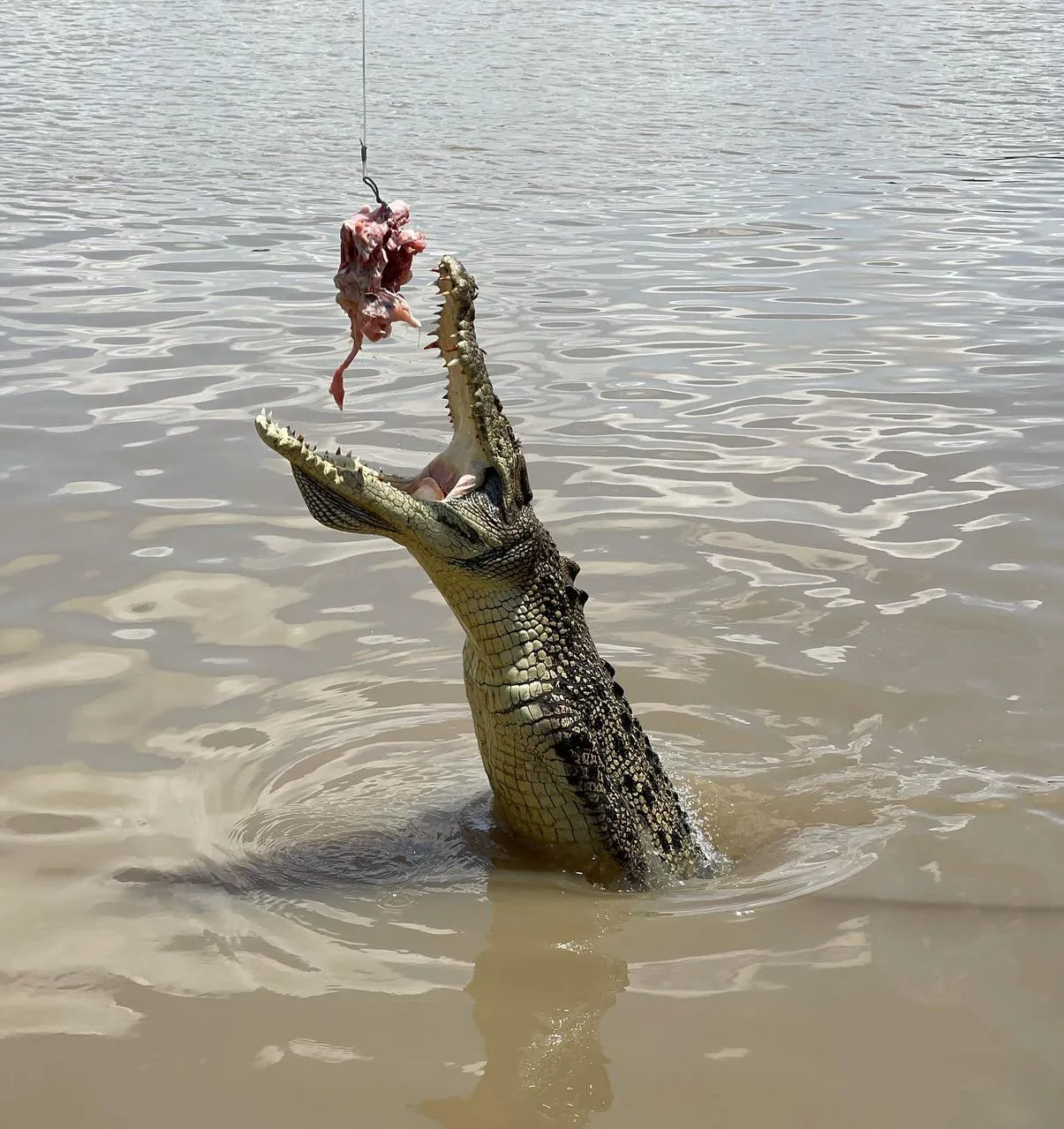
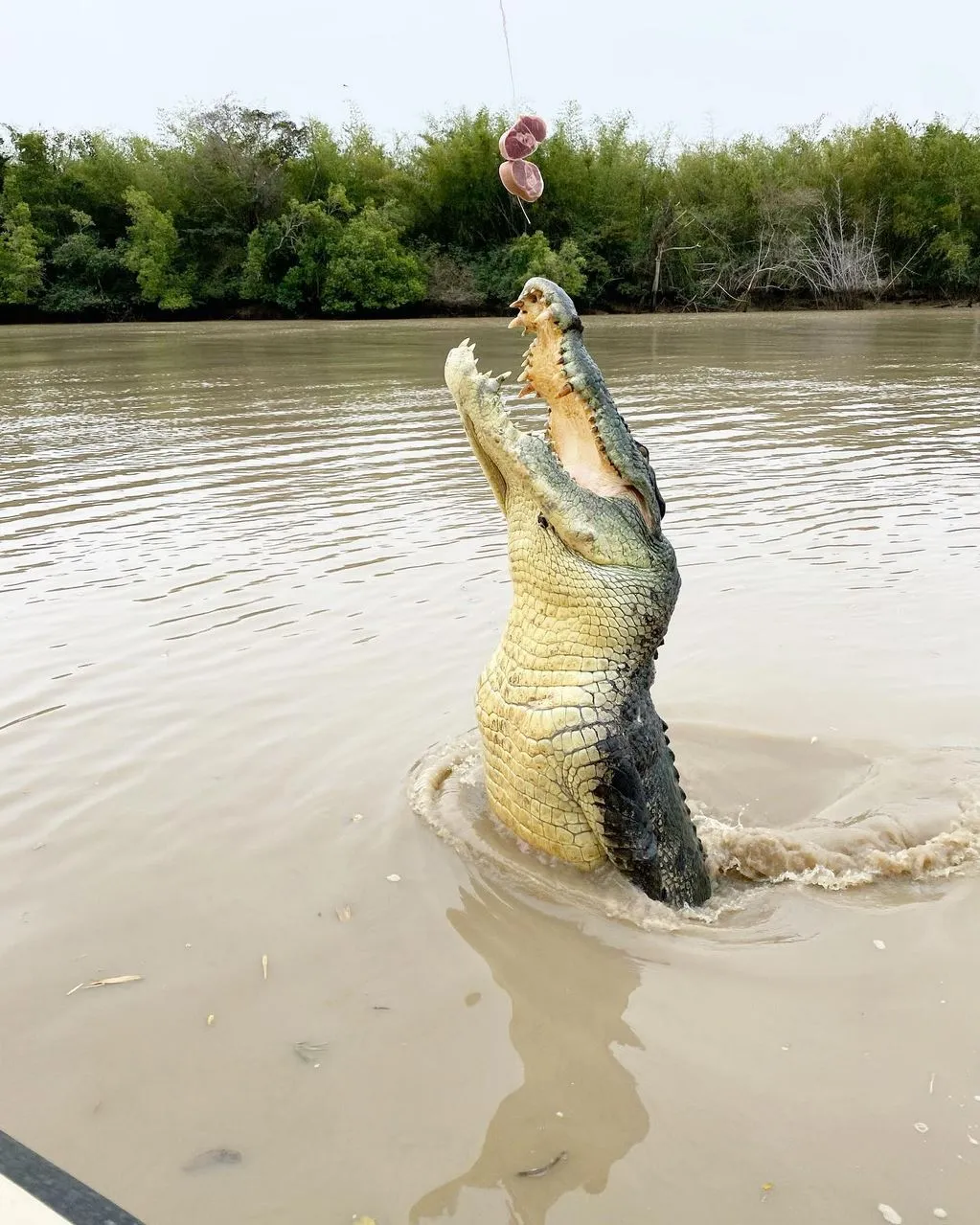
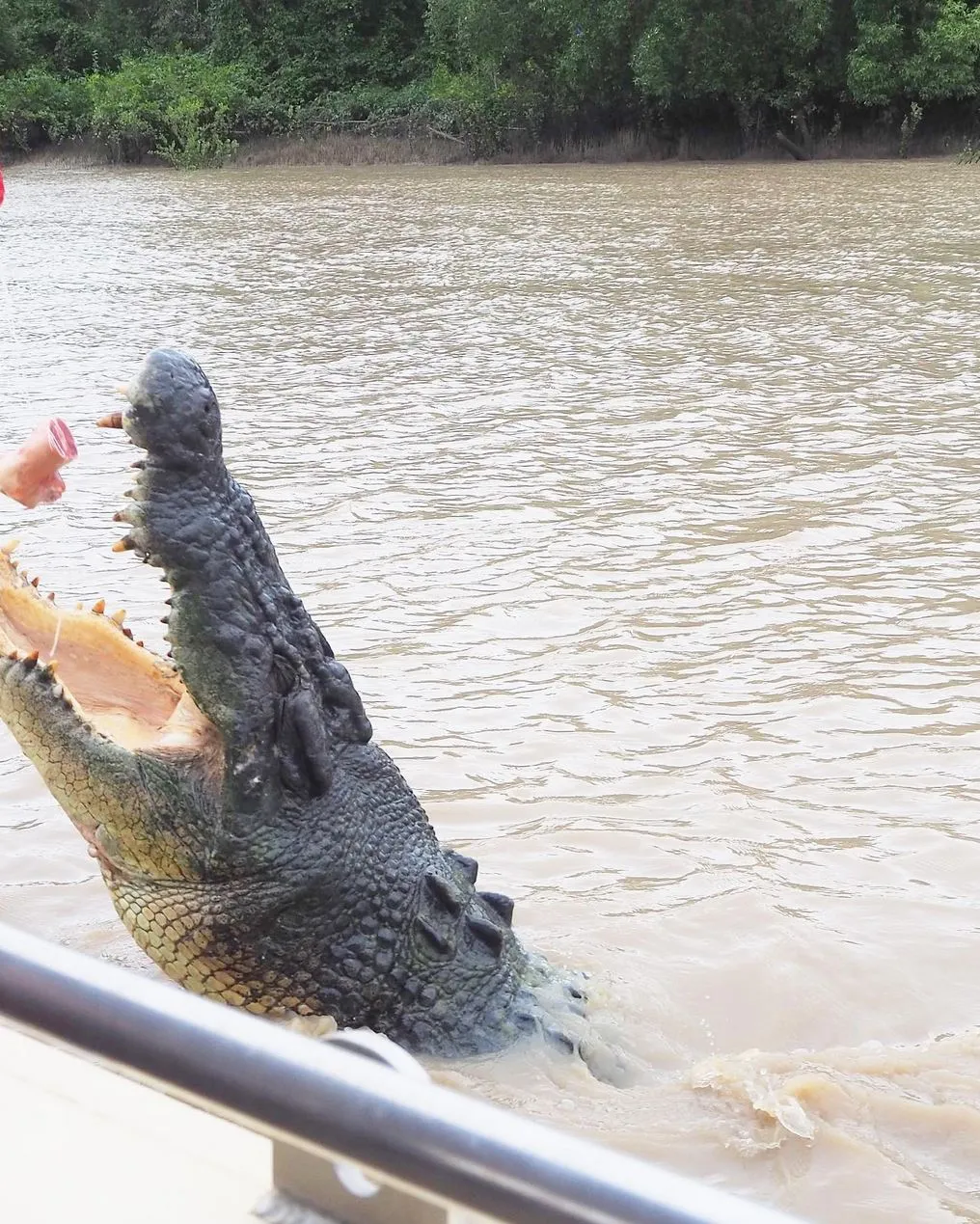
Saltwater crocodiles don’t mess about – they don’t ‘kind of’ jump, they just do it. And when they do, it’s with a precision that lets them leap an astonishing two metres off the ground without breaking a sweat. No one, no matter how big or how small, should have any idea of trying to get a closer look.
The Darker Side of Interacting with Crocodiles & Cultural Sensitivity
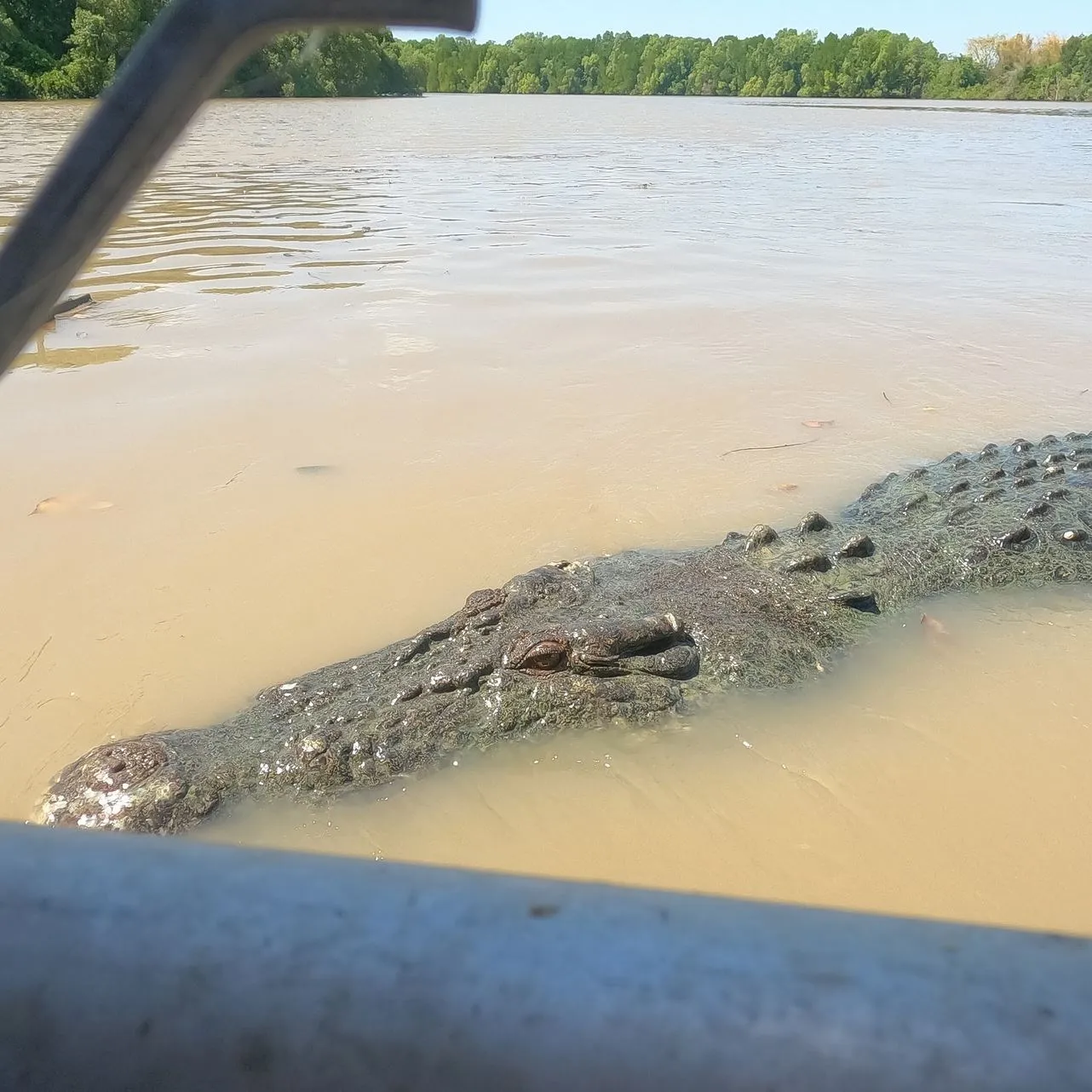
Visitors often ask whether these tours are suitable. That’s the right question to ask – and one I take seriously.
For a tour to be reputable, it’s got to do jumps in a way that respects the crocs – and their home – as much as possible. That means no encouraging them to do tricks or disrupting their natural habitat in any way. The goal is to educate, to show people just how incredible these animals are, not to turn the Adelaide River into a crocodile circus.
At the same time, it’s super important to acknowledge the deep connection between the local Indigenous communities and these incredible creatures. Saltwater crocodiles are woven into the very fabric of local stories, law and culture. When we visit, we need to remember that we’re the guests – not just spectators.
Those Little Moments That Make A Big Impression
I still remember a Jumping Crocodile Tour a few years back – a family from Perth were on the tour and their little one, maybe five or six, turned to their mum and shouted, “Mum, the croc is flying!” as this big male launched clean out of the water.
The wildlife guide just cracked up and said, “Only when he’s after breakfast, mate.” It made me realise just why kids’ rates exist: families bring a totally different energy to the river – they’re curious, excited and just so darn honest – it’s something adults often forget they had.
Checklist: Booking A Tour with Kids
Use this to keep your stress levels in check:
- Double-check the child fare age limits – you don’t want any nasty surprises along the way
- Check if you need to bring a child seat
- Bring all the essentials – hats, water, sunscreen, mozzie spray
- Try to avoid booking for the hottest part of the day
- Double-check the meeting point is accessible if you’ve got a pram
- Keep an eye out for cash back deals on your booking platform
- Pack some snacks – hangry kids are the worst travel companions
- Get the kids ready for the wildlife lectures and safety rules – it’s not all about the crocodiles…
My Final Words of Wisdom – Paul’s Top End Tips
One thing I’ve learned from all my years living and adventuring in the Top End is this: plan, and you’ll have a much smoother time. Whether your family is splashing out on a Jumping Crocodile Cruise or heading into the national parks for some extra wildlife action, working out the Children’s rates and what counts as a child ticket is just one of those things that saves you the headache later on – and means you get to enjoy the magic of the Adelaide River from start to finish.
Got questions about family day trips in the Northern Territory, or maybe you need some tips on sorting out the logistics of getting around with the little ones while you’re navigating the wild world of croc country? Just send me a line – I’m more than happy to dish out some of the knowledge I’ve picked up on the road, and maybe even regale you with a few stories of the time I watched – far too many – crocs launch themselves into the air in a most impressive fashion.
FAQ
Do you need to buy a ticket for kids on a Jumping Crocodile Cruise?
Yep – in general, most operators figure a child is anyone aged 4 to 15, but any little nippers under 4 get to go free – though they still need to be accounted for in terms of safety.
Can I bring a pram or baby carriage to the meeting spot?
The answer is generally yes, but do bear in mind that sometimes the riverbanks can be a bit unstable – especially after all that rain in the wet season.
Are Jumping Crocodile Cruises safe for young kids?
Absolutely fine – as long as you do exactly what the crew tells you to do. The wildlife guides take the safety of everyone on board very seriously, especially when there are saltwater crocs around.
Do tours run year-round, rain or shine?
Yeah they generally do, but if there are lightning storms, the river is running too high, or the weather is just plain crap – then the tours are probably going to get cancelled or rescheduled.
Can kids handle all the wildlife commentary and crocodile jumping action?
Most of them love it – you get the fast-paced action, watching the crocs in action, and all the different bird species flying around. And then of course there are the occasional scary moments when one of those crocs just suddenly blasts off out of the water!
 Anton-admin