
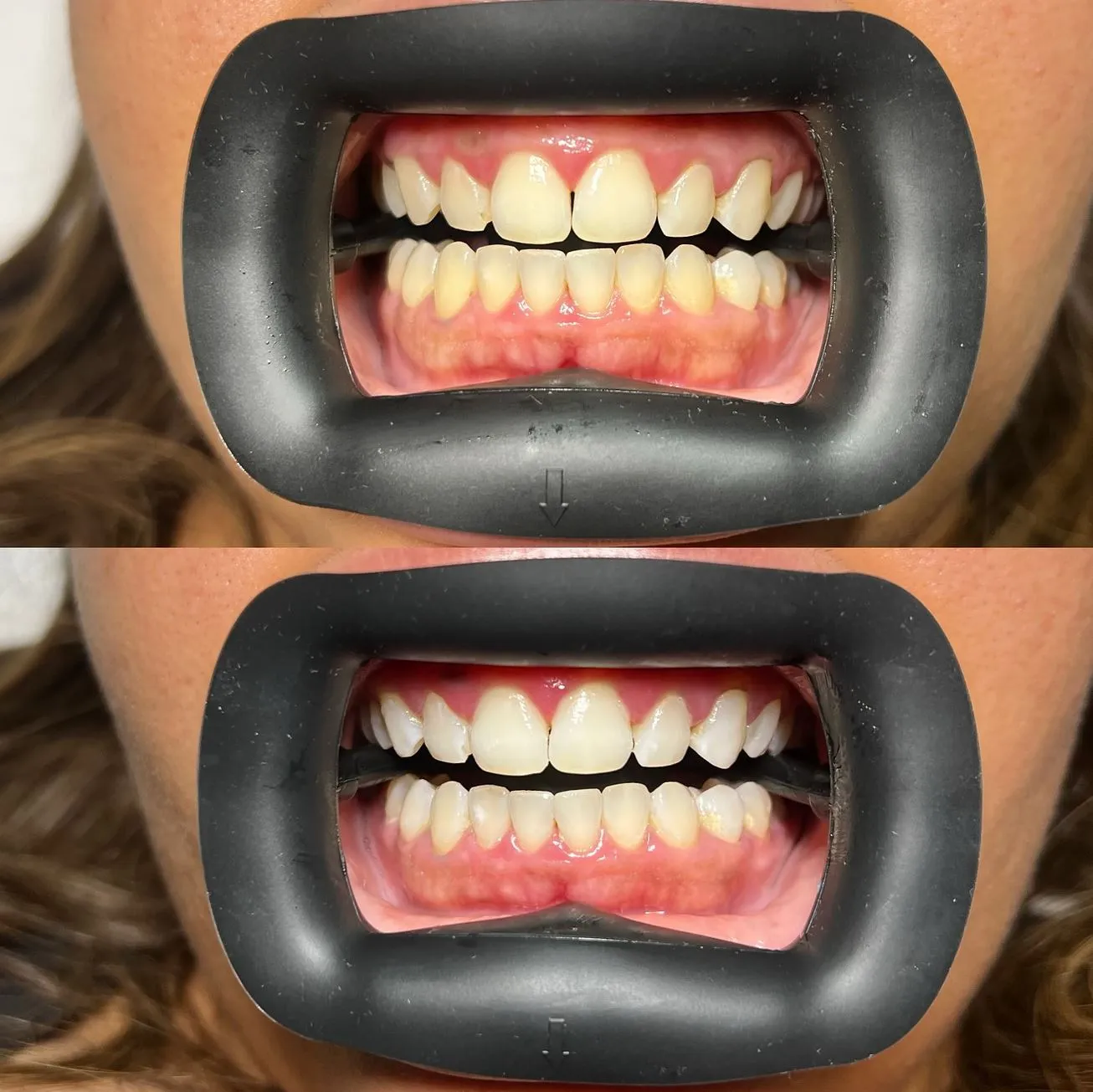
We get asked all the time, “Do you need qualifications to offer teeth whitening services in Australia?” Short answer: Yes, but it depends. Long answer? Buckle up, because we’re diving into regulations, training options, safety risks, and what you really need to know before adding whitening trays to your beauty menu.
Whether you’re a seasoned beauty therapist, salon owner, dental assistant, or a beauty professional thinking about mobile services or starting a successful business, understanding the legal requirements and professional standards is essential. You don’t want to be caught on the wrong side of a regulatory requirement just because someone on Instagram said you could DIY it. (Spoiler: You can’t.)
At Cosmetic Tattoo Brisbane Studio Face Figurati, we’ve seen firsthand how the right training and setup can make teeth whitening a highly rewarding addition to your service list. Let’s unpack what counts as a qualification, what the law says, and how to get started safely and confidently in 2025.
Contents
Understanding the Basics
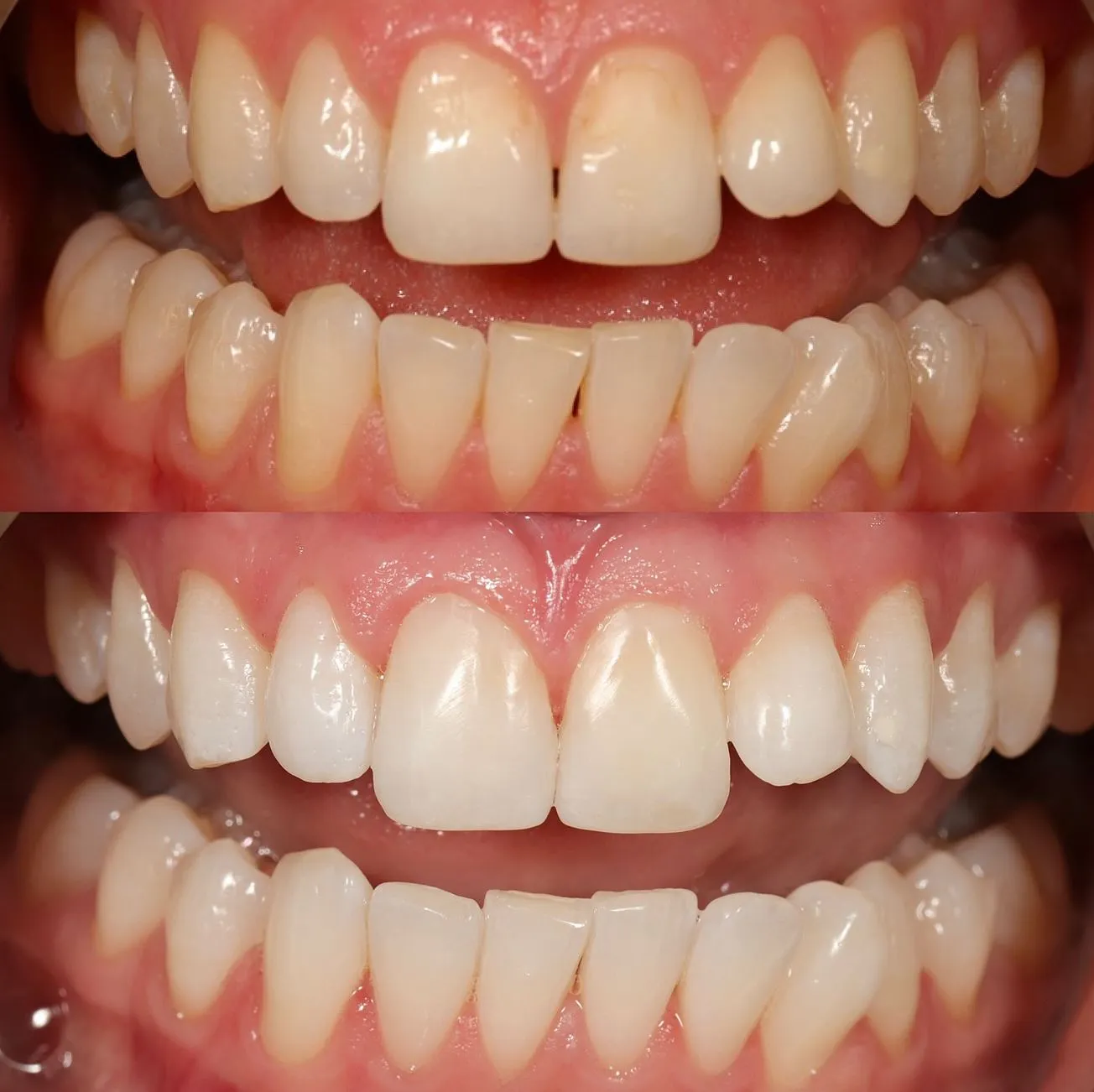
Before we even get to training materials or promotional packages, let’s talk legality.
Teeth whitening falls into a grey area in Australia. If you’re applying peroxide-based gels above a certain strength, you’re veering into dental practice territory. That means you’re legally required to be a registered dental professional. But what if you’re offering cosmetic teeth whitening under that threshold? Here’s where it gets nuanced.
The Current Guidelines
- Therapeutic Goods Administration (TGA) regulates peroxide concentrations in Australia.
- Hydrogen peroxide over 6% or carbamide peroxide over 18% is considered therapeutic use and must be administered by a dental professional in a dental practice.
- Cosmetic use of lower concentrations is legal but must still follow strict safety standards, hygiene protocols, and customer service principles.
So yes, you can offer cosmetic teeth whitening in your salon or clinic if you’re trained, insured, and using approved low-peroxide teeth-whitening products.
What Qualifications Do You Actually Need?
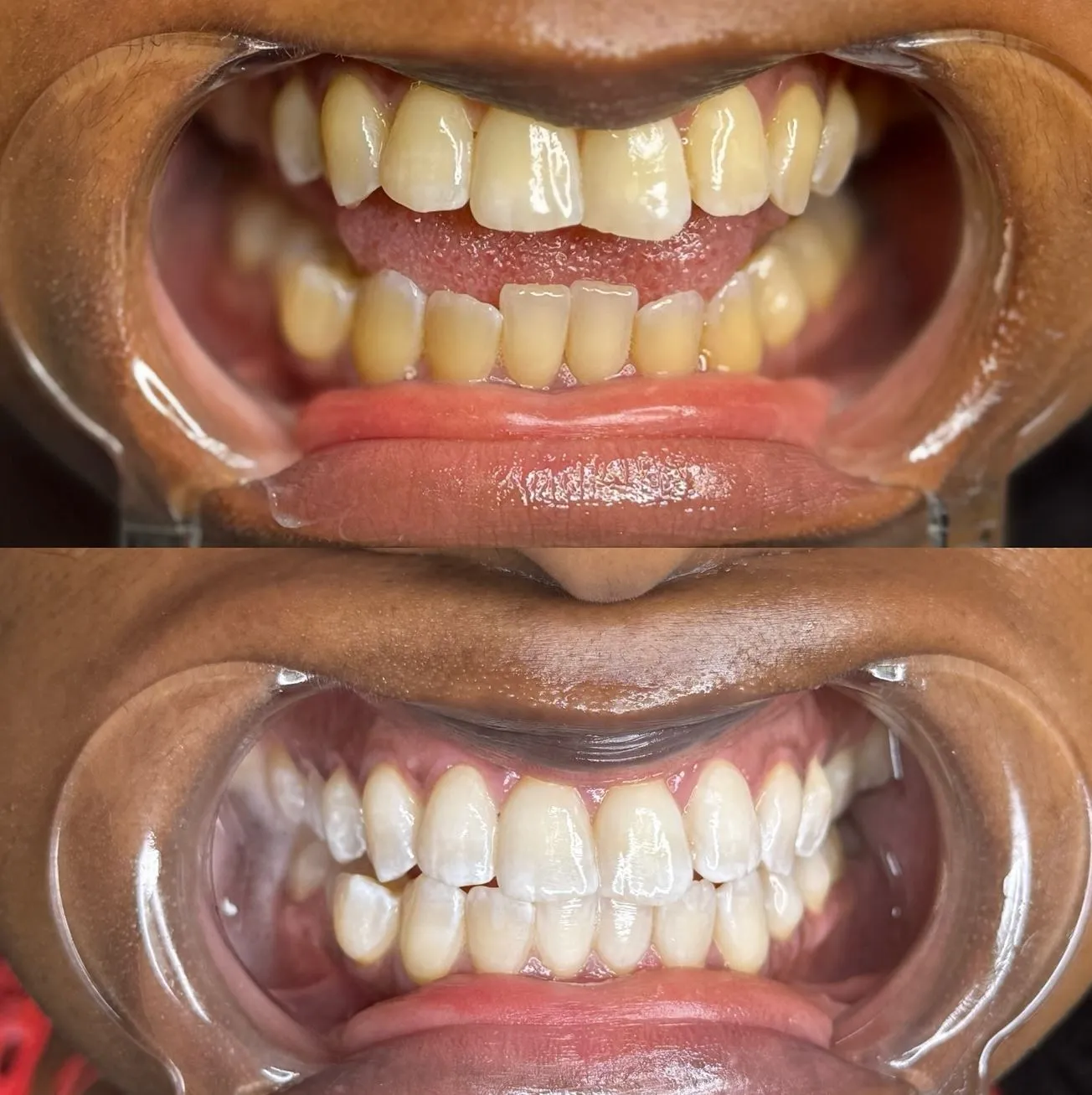
Here’s the cheeky bit: there’s no nationally mandated Certificate IV in Teeth Whitening (yet). But you still need comprehensive training. Why? Because you’re working in people’s mouths — close to gums, tooth enamel, and potential dental care concerns.
Look for Training That Covers:
- Anatomy of teeth and tooth structure
- Product knowledge: peroxide types, strengths, and risks
- Tooth sensitivity, gum disease, and adverse effects
- Hygiene and infection control protocols
- Client consultation, client safety, and consent forms
- Use of LED lamps, laser teeth whitening tools, and barriers
- Legal compliance (especially advertising claims and licensing requirements)
We recommend enrolling in professional teeth whitening training that offers more than just an online certificate. At Cosmetic Tattoo Brisbane Studio Face Figurati, we always encourage hands-on practice and in-person learning when possible.
Short online training might tick some boxes, but it won’t prepare you for practical experience or effective treatments. Hands-on training or practical training is your safest bet for first-time clients and a loyal client base.
What We See (and Fix) in Studio
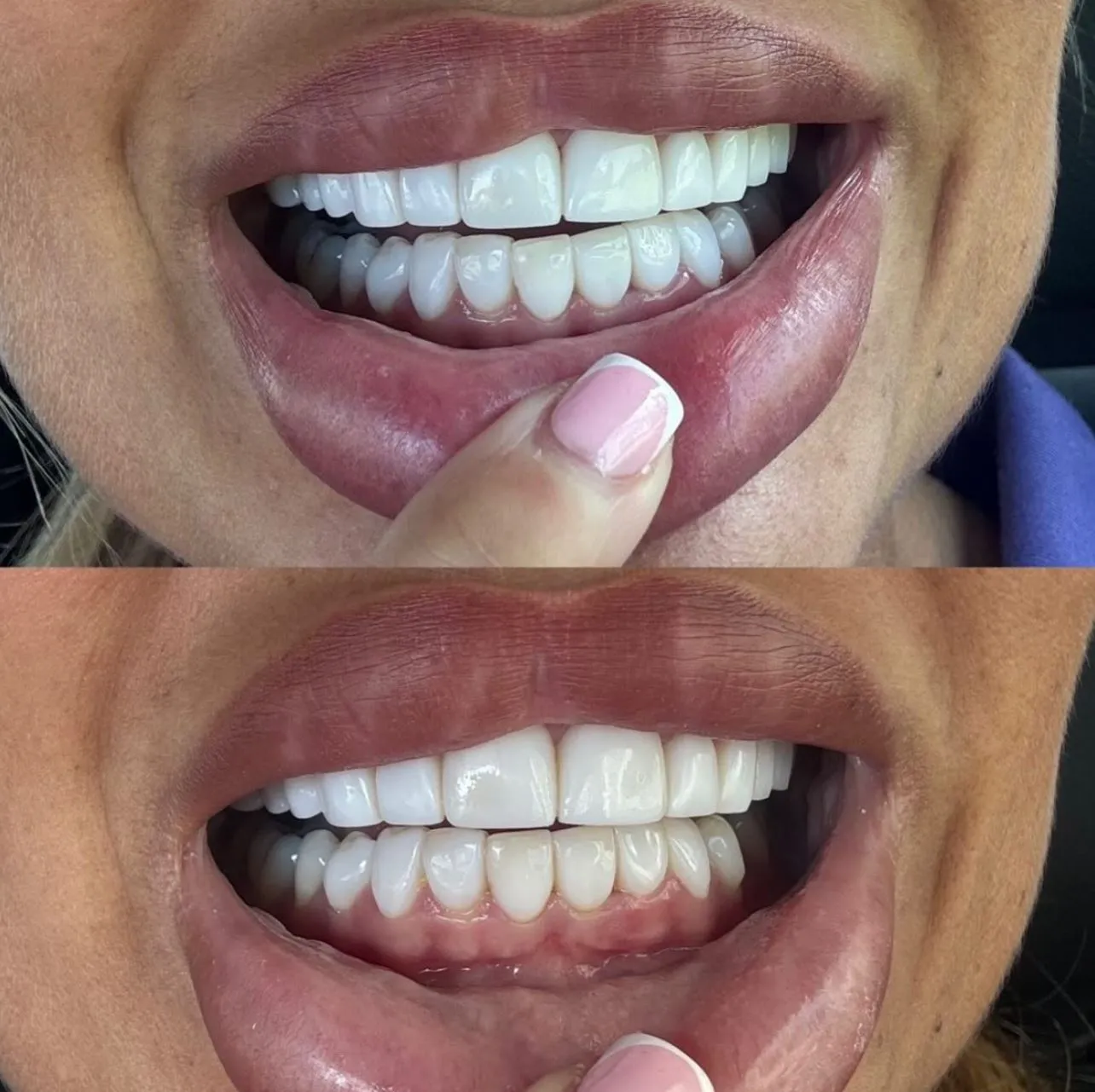
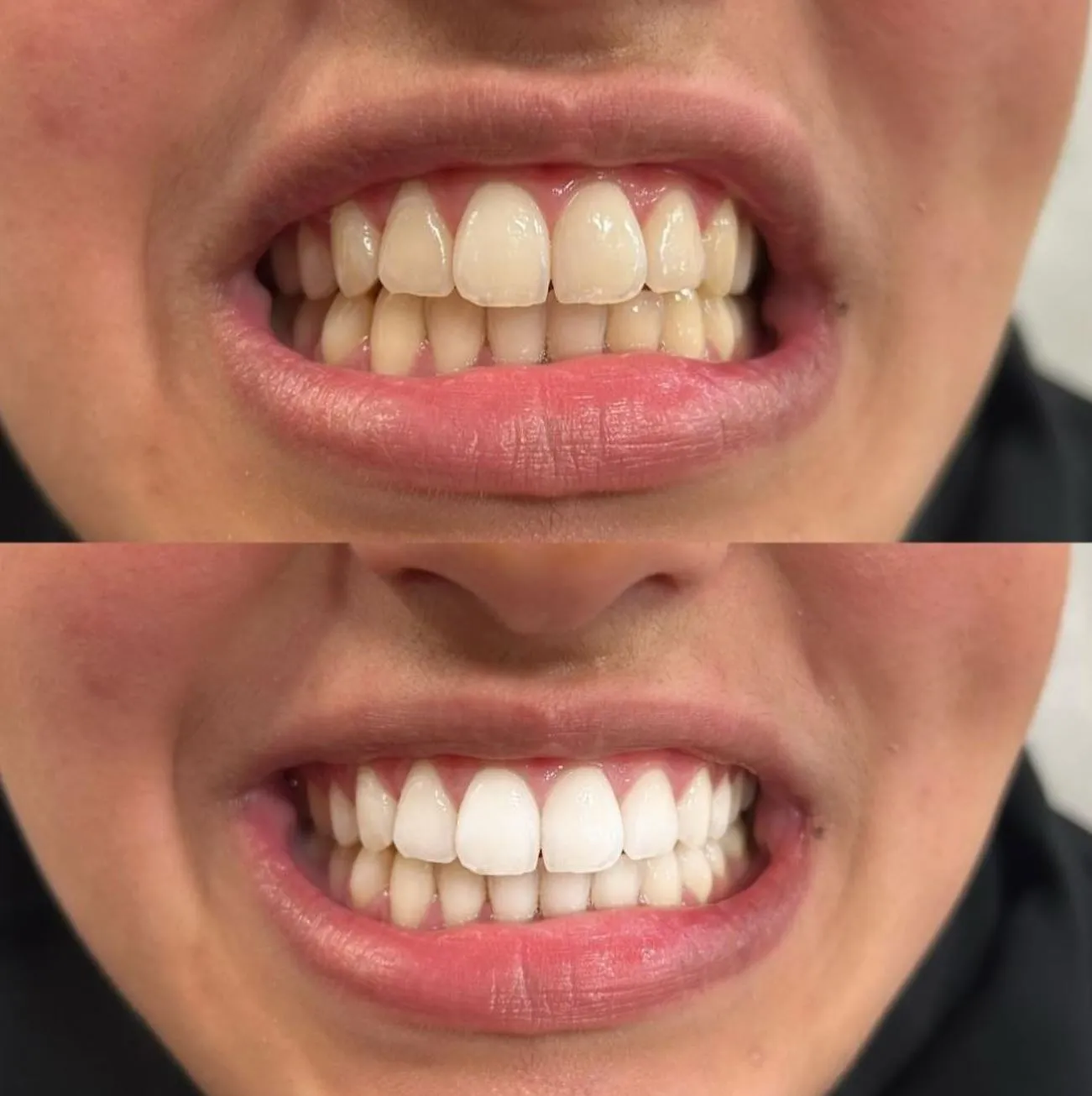
We’ve treated plenty of clients who’ve had ineffective teeth whitening or adverse effects from untrained service providers. Patchy results. Inflamed gums. Even burns from unsafe practices.
One client came in with a horror story of having undiluted peroxide applied directly to her teeth at a pop-up beauty stall. No dental bib. No barrier gel. No clue. She left with blisters and her health at risk.
This is why training courses matter. You need to know how to:
- Perform a pre-treatment risk assessment and treatment plan
- Explain realistic treatment options (whitening varies by tooth colour and enamel type!)
- Spot signs of underlying dental treatments required
- Stop the treatment immediately if gum irritation begins
When we deliver cosmetic and teeth whitening training to new beauty professionals, we make sure they’re not just checking boxes — they’re learning how to keep clients safe and results consistent.
How Long Does Training Take?
Most reputable training courses in Australia run between 1–3 days, depending on whether they’re theory-only or include practical experience. You might also get access to:
- Online training modules (self-paced)
- In-person workshops with dedicated teeth whitening instruction
- Model practice on first-time clients
- Starter kit or start-up package discounts
- Ongoing support for business owners
Sample Teeth Whitening Training Timeline
| Component | Duration | Format |
|---|---|---|
| Theory module | 4–6 hours | Online training |
| In-person workshop | 1 day | Face-to-face |
| Model practice | 2–4 clients | Supervised |
| Assessment + support | Ongoing | Online/phone |
Cosmetic Tattoo Brisbane Studio Face Figurati offers guidance for beauty professionals looking to complete teeth whitening training that aligns with current industry standards.
2025 Beauty Trend Watch
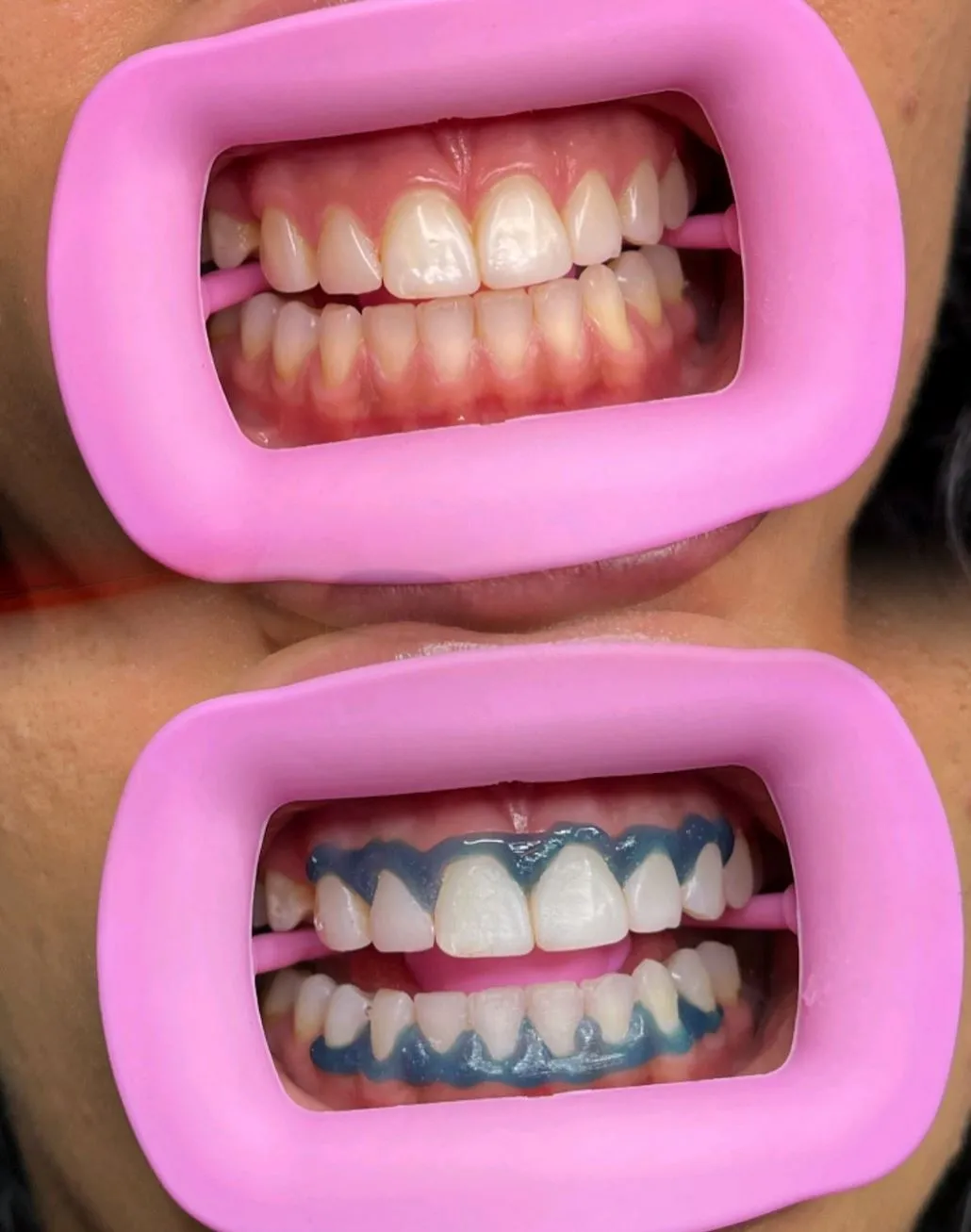
Yes — but only if you’re doing it with safe practices. Teeth whitening remains one of the fastest-growing non-invasive services in beauty salons across Australia.
Quick Stats:
- The Australian cosmetic and dental industry is predicted to exceed $1.2 billion by 2025.
- Whitening is the most-requested non-invasive dental treatment.
- Online teeth trends are driving demand, especially among beauty professionals aged 20–40.
That said, the rise of unregulated online teeth kits and mobile services has raised awareness around safety measures. Clients are seeking professional services they can trust.
Being properly trained and compliant with industry standards sets you apart. That’s why more salon owners are turning to qualified teeth whitening training to grow their services responsibly.
Insurance, Licensing, and Council Checks
Before you book your first potential clients:
- Get public liability and professional indemnity insurance
- Check if your local council requires a personal appearance services licence
- Understand whether your space must comply with infection control and quality regulations
- Ensure your teeth-whitening products are TGA-registered and safe for cosmetic use
Some councils in Queensland and NSW consider teeth whitening a high-risk service. Don’t assume — check the licensing requirements now.
Key Takeaways
- You don’t need to be a dentist to offer low-peroxide cosmetic whitening in Australia
- You do need accredited teeth whitening training for legal, safe practices
- Always follow peroxide limits and comply with TGA and council safety standards
- Choose training for beginners that includes comprehensive teeth theory, practical training, and a customer service focus
- Insurance is non-negotiable — protect yourself and your client base
This is about more than just white smiles. It’s about professional services, client trust, and effective teeth results that meet health and business enterprise expectations.
Final Thoughts
If you’re considering adding cosmetic teeth whitening to your list of services to clients, do it the right way. Invest in a successful program with real hands-on training. Understand your responsibilities as a business owner or salon provider. And build a client consultation process that delivers professional teeth results with care.
At Cosmetic Tattoo Brisbane Studio Face Figurati, we support beauty professionals with quality guidance, safe tools, and realistic advice — especially when it comes to professional teeth whitening training. We’ve helped many build out their offerings with confidence.
Got questions about choosing comprehensive training courses or navigating licensing requirements? Reach out. We’re happy to share our dental experience, talk tooth colour trends, or recommend quality products that meet industry standards.
FAQ
Can I offer teeth whitening without being a dentist?
Yes, if you’re using approved cosmetic products under peroxide limits and have completed professional training.
Do I need a licence to offer whitening services?
It depends on your state and council. Many beauty salons and mobile services require a licence. Always check.
What happens if I use high-strength peroxide without a dental licence?
You risk putting client health at risk, violating regulatory requirements, and facing legal consequences.
Is online training enough?
Not always. Look for courses offering both theory and practical experience to meet safety measures and ensure quality outcomes.
What insurance do I need?
You need public liability and professional indemnity insurance. It protects you, your clients, and your reputation in the dental industry.
 Anton-admin