

Melbourne is famous for its many cultural traditions, a mix of everything from around the world. The multicultural suburbs offer visitors a feast of food, pop culture and customs. From the city centre to the outer suburbs, Melbourne’s cultural mix is to be experienced through its food, festivals and daily life. If you want to go deeper, Melbourne Tours offers guided experiences that take you through the city’s most iconic multicultural areas so you can taste the history and the flavour for yourself.
Contents
A Journey Through Melbourne’s Multicultural Districts
Carlton: Italy and 19th Century Flavour

Carlton is famous for its Italian heritage and the cultural traditions brought over by Italian immigrants in the 19th century. This suburb along Lygon Street has authentic Italian restaurants, cafes and gelaterias. Carlton also reflects the influence of Queen Victoria Market with fresh local produce alongside Italian goodies. The Italian culture here and Melburnian’s love of food gives us a glimpse into the past and how it’s shaped the city’s identity.
Richmond: Vietnamese Culture and Eastern Ways
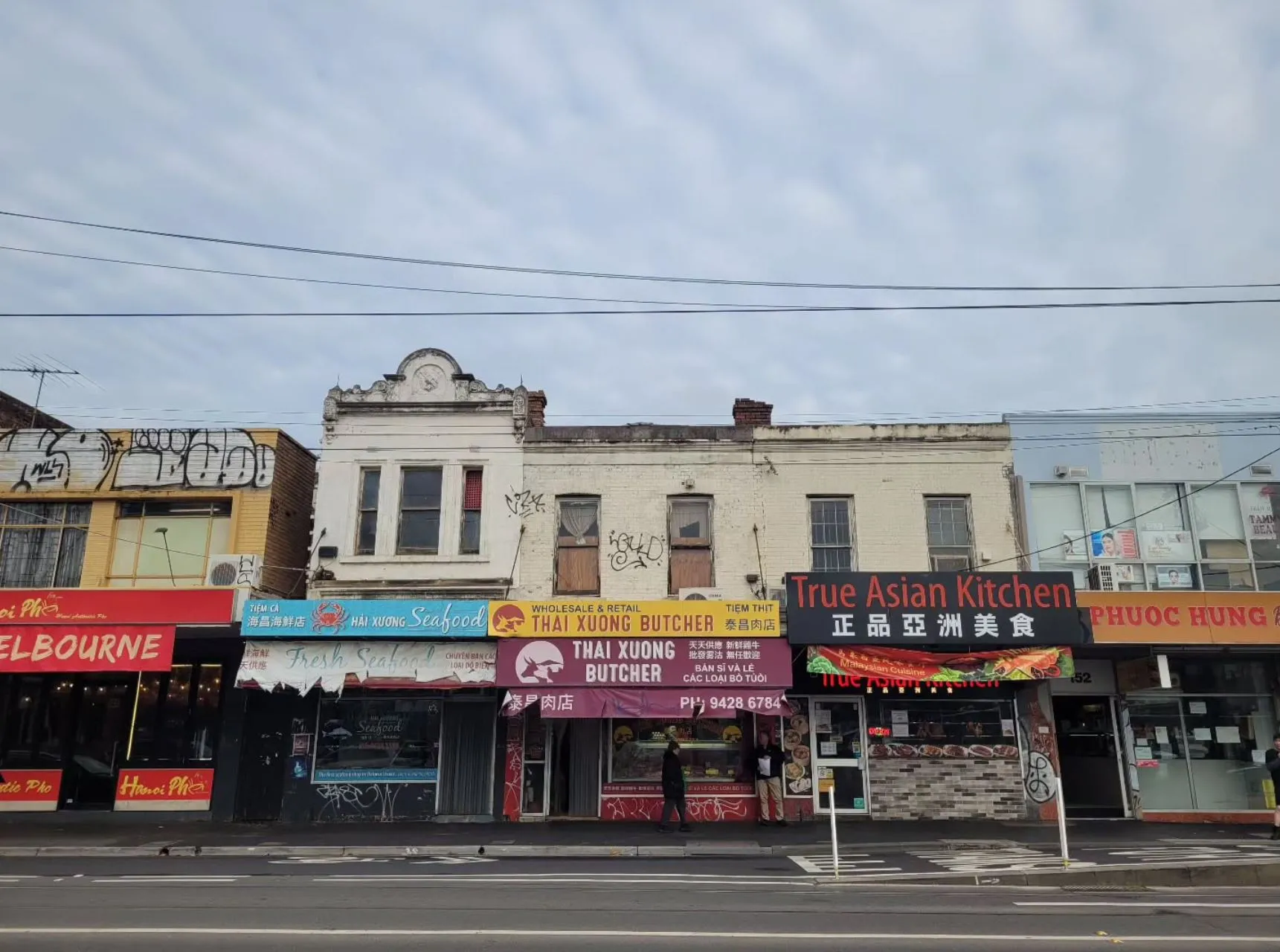
Richmond’s Victoria Street is the heart of Vietnamese culture. From pho to banh mi this area is a taste of Eastern Melbourne. The community’s flower arrangements during Tet celebrations add to the beauty of life here and the importance of flowers in Vietnamese cultural activities. Like the Japanese bonsai trees, the art of flower arranging is about care and respect for the natural world, Melbourne’s respect for all cultures.
Footscray: African, Asian, Indian Culture Mix

Footscray is a hot pot of African, Asian and Indian culture, home to busy markets, including the Footscray Market, where spices, produce, and street food collide. The suburb’s cultural mix includes Indian traditions and African music, the strength of diversity in Melbourne’s west. Footscray also shows Melbourne’s commitment to food and market safety so it’s a must visit for foodies.
Brunswick: Middle Eastern flavour and simplicity
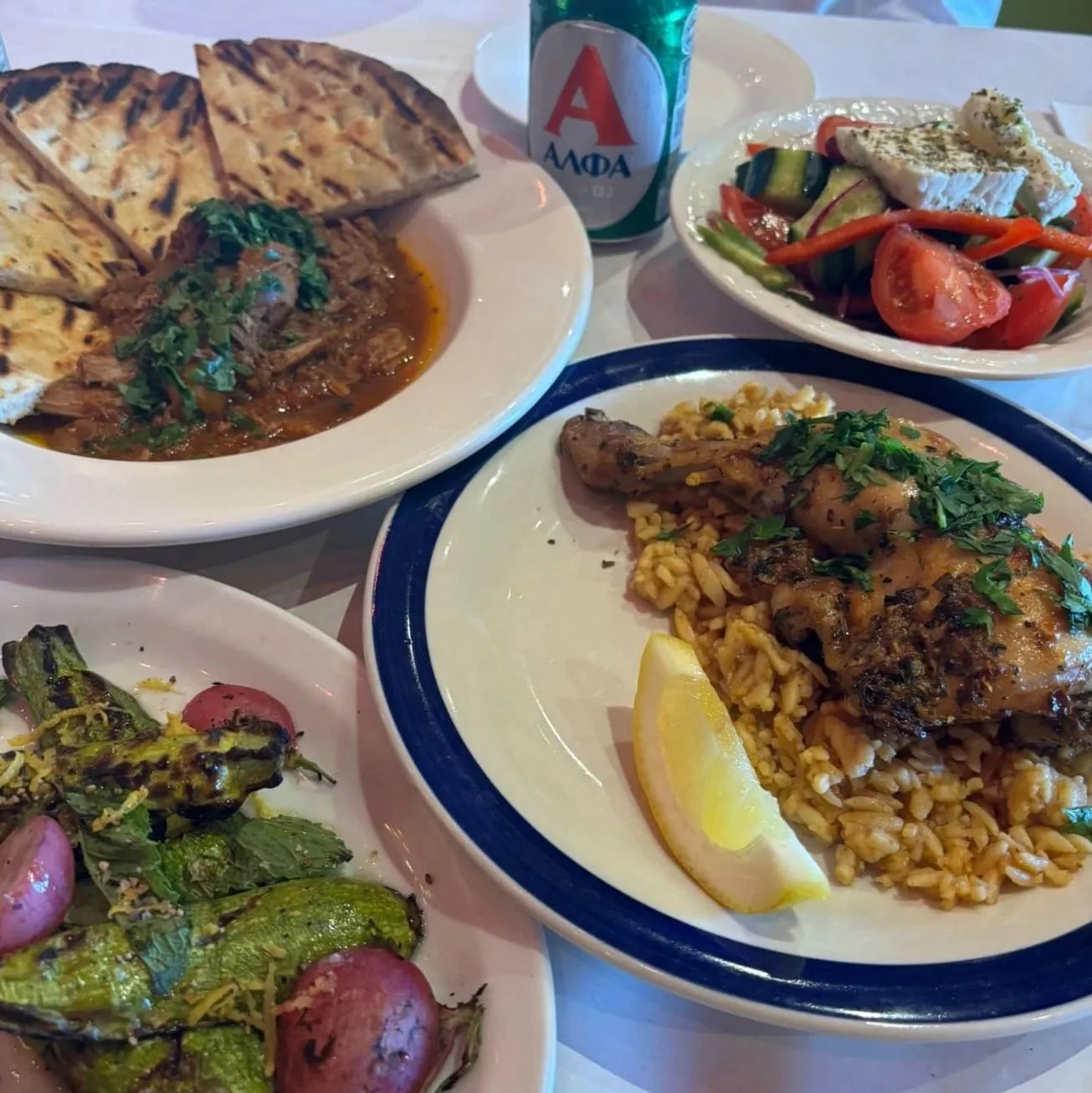
Brunswick is a suburb of Middle Eastern and Mediterranean communities. Along Sydney Road you’ll find traditional flower designs and food that’s the simple life. The samurai class and elite warrior class of Japanese history is reflected in the cultural symbols here where family and community is paramount. Festivals and street markets keep these connections alive and well in modern Melbourne.
Festivals and Cultural Activities Celebrating Diversity

Melbourne’s cultural life is alive and well through various festivals and events celebrating global diversity. From Indigenous peoples and their heritage to modern Chinese culture, these festivals show how inclusive the city is. Festivals like the Moomba Festival and the Melbourne International Dumpling Festival are not just about food but also Japanese anime market influences and human character through cosplay and performance. The Western Australia and South Australia multicultural influences also play a big part in these events.
- Moomba Festival: A celebration of Melbourne’s diverse community, with a multicultural parade featuring traditional costumes, music and dance from various cultural groups.
- Melbourne International Dumpling Festival: Dumplings are a global dish, and this festival showcases dumplings from China, Nepal, Japan, and beyond.
- Lunar New Year: Celebrated in areas like Chinatown and Footscray, the Lunar New Year brings street parades, dragon dances and traditional foods.
Melbourne’s Food and Cultural Mix: A Culinary Adventure
Melbourne’s food scene is a reflection of its source markets from around the world. The Japanese islands influence Melbourne’s sushi bars, India brings the spices and curries to the city’s dining landscape. In suburbs like Oakleigh, Greek culture shines with its iconic dishes, creating moments that embody Japan’s “mottai-i nai” concept, where nothing is wasted and everything is appreciated.
- Greek Food in Oakleigh: The suburb of Oakleigh is the heart of Melbourne’s Greek community, where you’ll find real souvlaki, moussaka and baklava.
- Chinese Food in Chinatown: Melbourne’s Chinatown is the oldest in the Southern Hemisphere, with a vast array of dim sum, Peking duck and dumplings.
- Indian Spices in Little India, Dandenong: Dandenong’s Little India is the hub for Indian food, spices and sweets, with samosas to masala chai.
Queen Victoria Market: Multicultural Melbourne in one place
The Queen Victoria Market is where all of Melbourne’s communities come together. From Japanese characters on sushi stalls to African textiles and Australian bush tucker, the market is a cultural mash up. The 11th-century trade routes that once shaped global commerce are alive here, a modern-day journey through Melbourne’s cultural layers.
Tradition and Art: Preserving Cultural Heritage
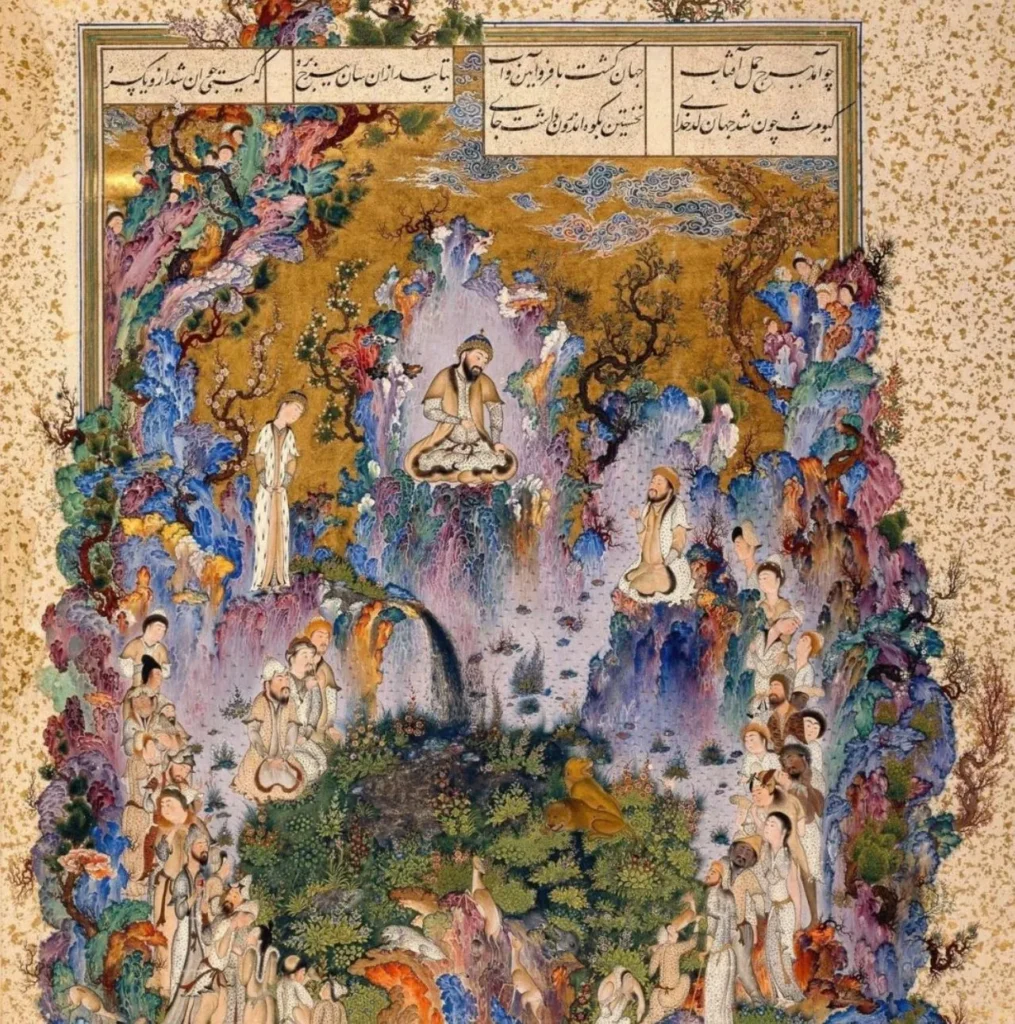
As well as food, Melbourne’s multicultural suburbs are full of traditional art, craft and performance. Galleries like the Islamic Museum of Australia in Thornbury showcase the Islamic contribution to Australia through art, architecture and storytelling. Many community centers also offer workshops in traditional craft, dance and music so the next generation can stay connected to their culture.
Conclusion
Melbourne’s multicultural suburbs are more than just streets, they are a living history of global cultures and traditions. From the 17th-century samurai class to today’s Imperial family symbols, Melbourne’s suburbs are full of global stories. The city’s far-flung concepts and cultural traditions have merged into one, so you can find Japanese bonsai trees and Indian spices in one city. By embracing this cultural mix Melbourne is the ultimate example of how diversity makes life richer.
FAQs
Where are the multicultural hotspots in Melbourne?
Carlton for Italian, Richmond for Vietnamese, Footscray for African and Asian, Brunswick for Middle Eastern.
How does Melbourne celebrate multiculturalism?
Moomba Festival and Lunar New Year where food, music and traditions from around the world are celebrated.
What’s Queen Vic Market’s role in Melbourne’s cultural scene?
Queen Vic Market is Melbourne’s cultural melting pot, with fresh produce to global delicacies, reflecting the city’s many communities.
What traditions can be found in Footscray?
Footscray has African, Vietnamese and Indian traditions, with markets and cultural festivals celebrating the area’s diversity.
How does Melbourne incorporate Eastern culture into daily life?
Melbourne does it through food, festivals and traditions, like flower arrangement and the respect for nature seen in bonsai trees.
 Anton-admin