
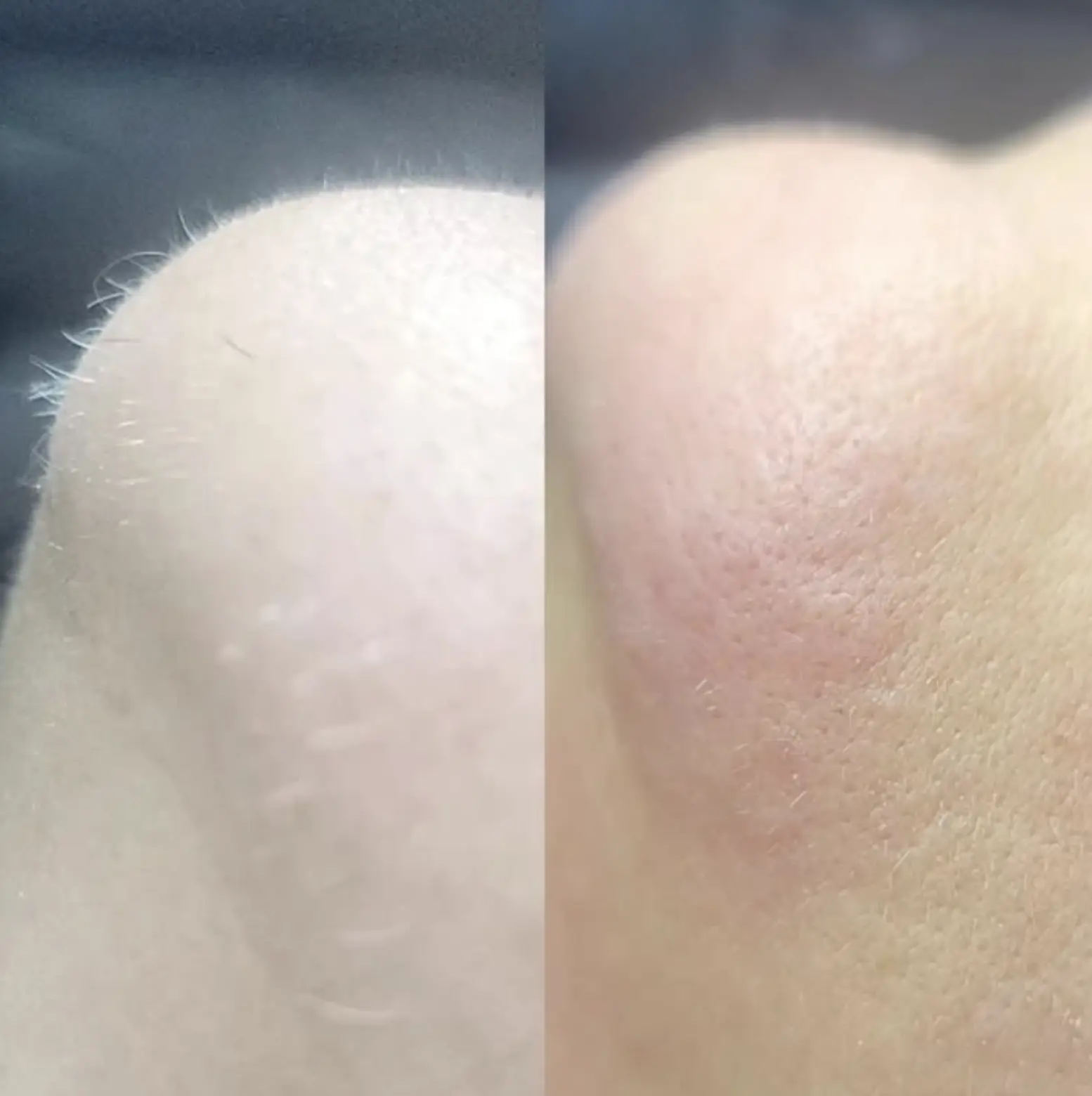
Hair removal has come a long way from harsh waxes and razors — modern laser options offer safer, more targeted results for smoother skin. But many clients still ask: “Is laser hair removal cancerous?“
We’re shooting concentrated light beams into the skin to zap unwanted hair, after all. But here’s the grounded, no-BS truth from someone who’s actually done thousands of these cosmetic treatments (and seen more underarms than your local waxer).
In this article, I’ll walk you through what the laser hair removal procedure actually does, the safety of laser hair removal, potential risks like skin irritation or pigment changes, whzat the current scientific evidence says about any credible cancer risk, and what really matters when choosing a clinic.
Contents
What Laser Hair Removal
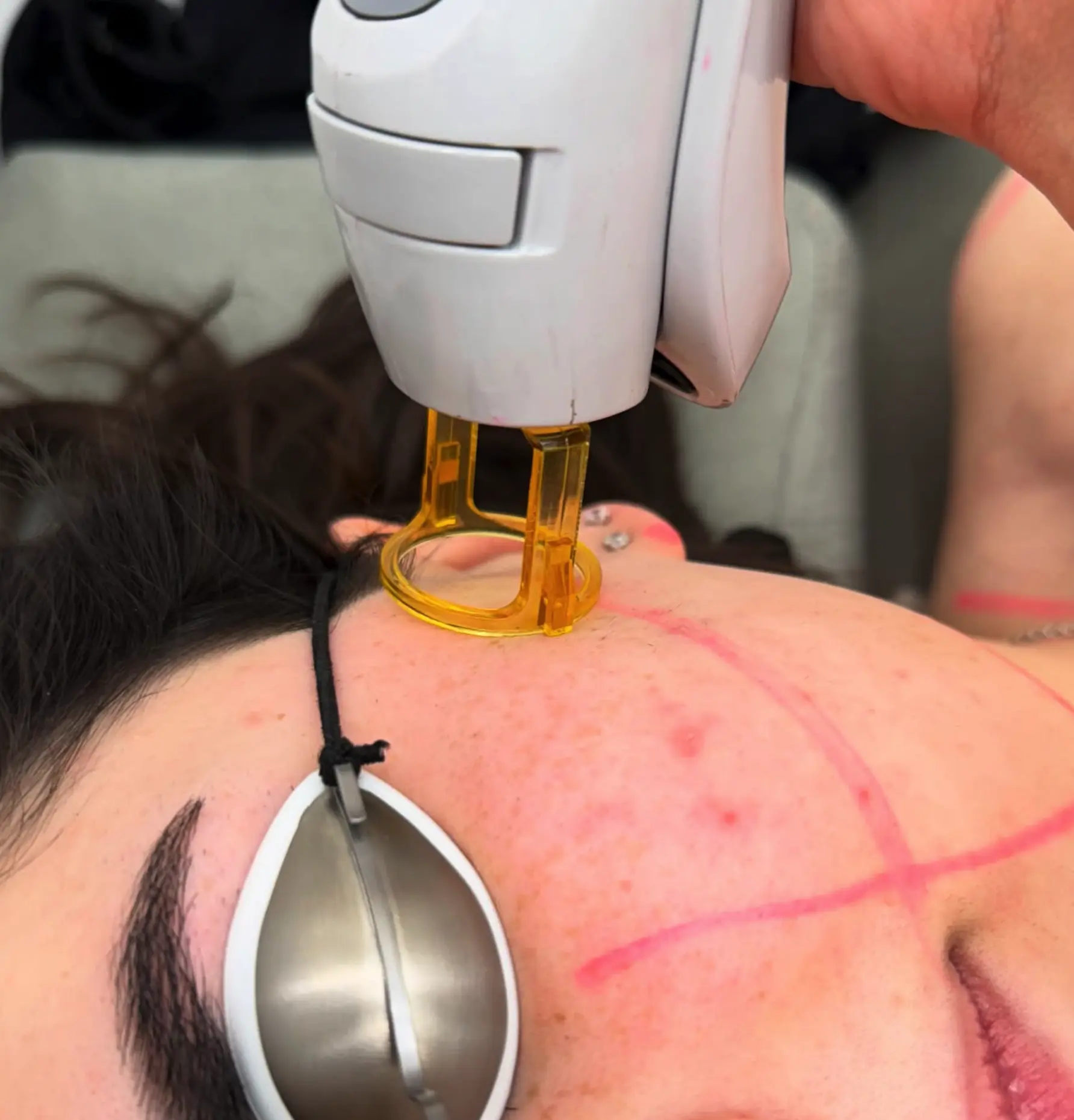
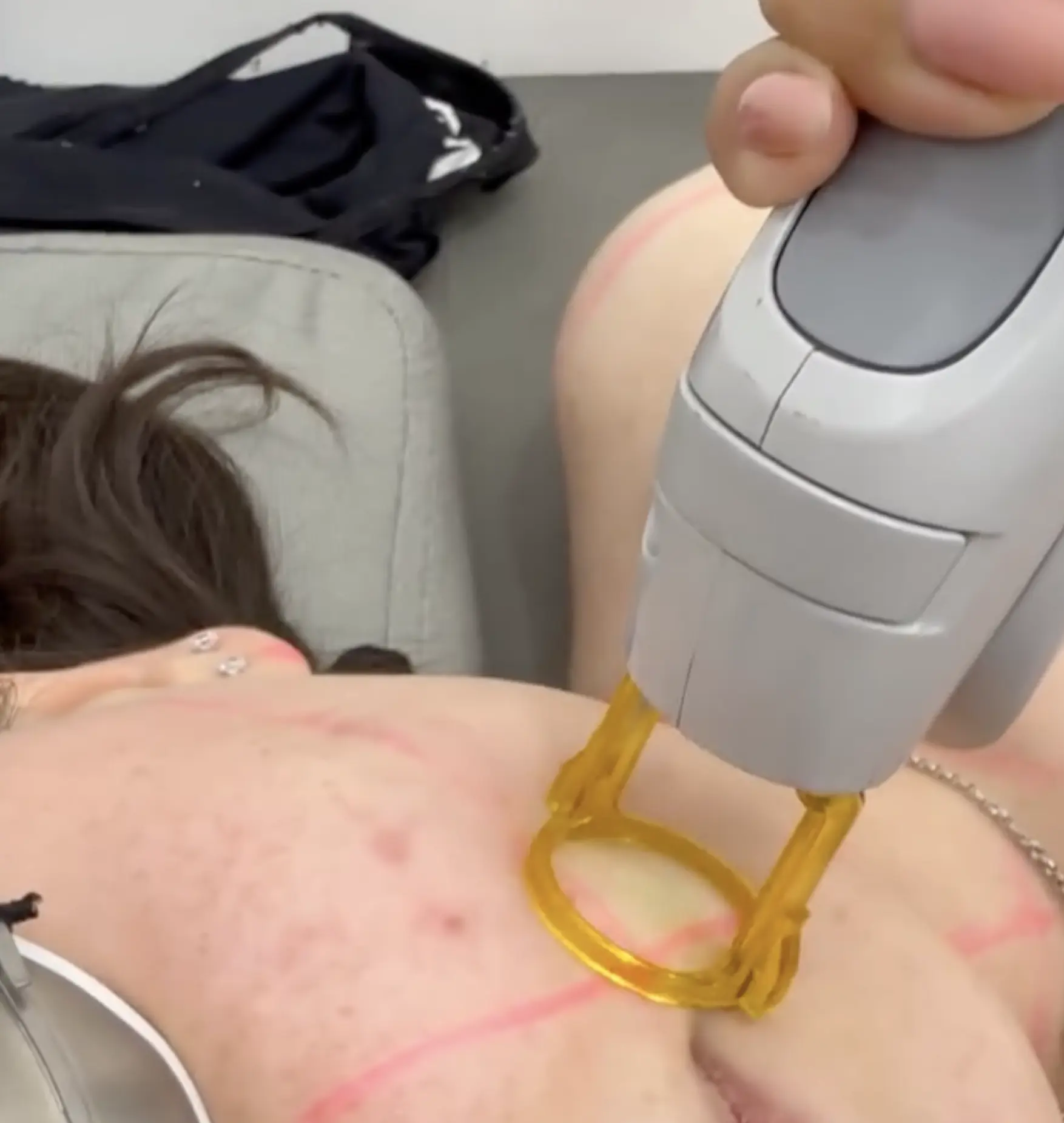
Laser hair removal therapy uses concentrated light (Laser light) to target the melanin in hair follicles. The light energy converts to heat, damaging the follicle so it slows or stops future hair growth. This safe procedure has become one of the most effective methods for long-term hair reduction.
Here’s what a laser does:
- Targets melanin in hair follicles using a concentrated beam
- Converts light energy into heat to disrupt future hair growth
- Delivers permanent hair removal results over a series of laser hair treatment sessions
Here’s what it doesn’t do:
- Penetrate deep enough to alter DNA strands
- Causes cellular damage to internal tissues
- Emit harmful UV radiation or carcinogenic effects
Laser hair removal devices use non-ionising radiations (or non-ionising radiations — a light source that lacks the energy to damage DNA or lead to cancer development.
Research on Laser and Cancer Risk
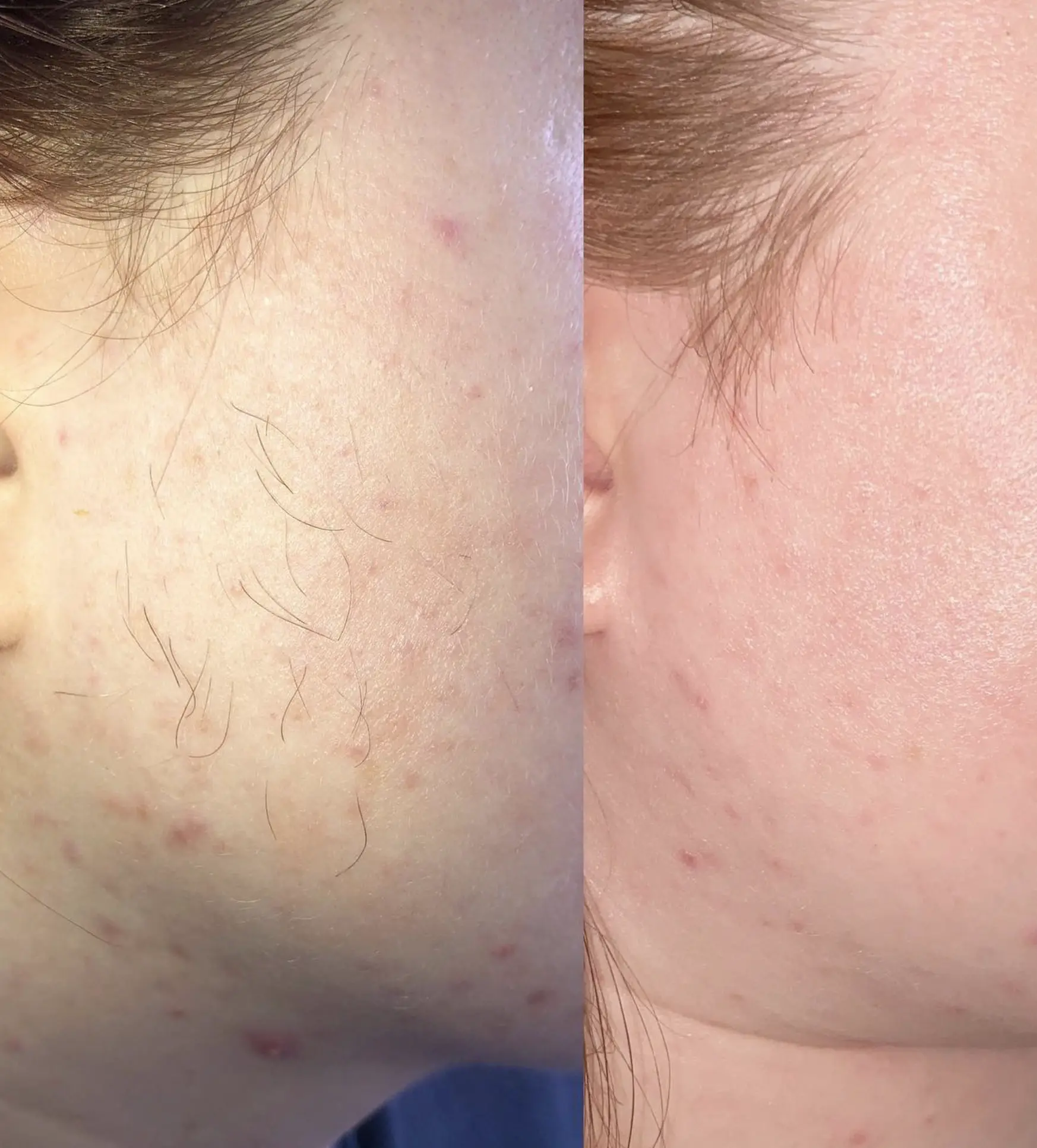
Let’s get science-y for a moment. When we talk about radiation and cancer, we’re usually worried about ionising radiation — like UV exposure, X-rays, or radioactive elements — which can alter DNA and increase the risk of cancer, including Non-melanoma skin cancer or malignant melanoma.
Laser hair removal technology, by contrast, uses wavelengths of light from a non-ionised beam, meaning the energy output is not enough to harm DNA strands or cause skin malignancy.
Scientific evidence and relevant literature:
- No credible cancer risk has been found from cosmetic laser hair removal services
- The effects on skin cells are minimal and localised to the dermis
- Light systems used in laser hair removal devices do not lead to DNA damage or oxidative stress induction
A comprehensive review of human studies, including Dermatol Surg and Dermatol Ther literature, concludes there’s no proven link between laser hair treatments and cancer development. The Cancer Council Australia also reinforces this by stating:
“There is no established evidence that laser hair removal increases cancer risk.”
Still, individuals with a history of skin cancer or existing lesions should have Regular Skin Checks and consult with a medical professional before undergoing any aesthetic treatments.
Laser Hair Removal Risks & Prevention
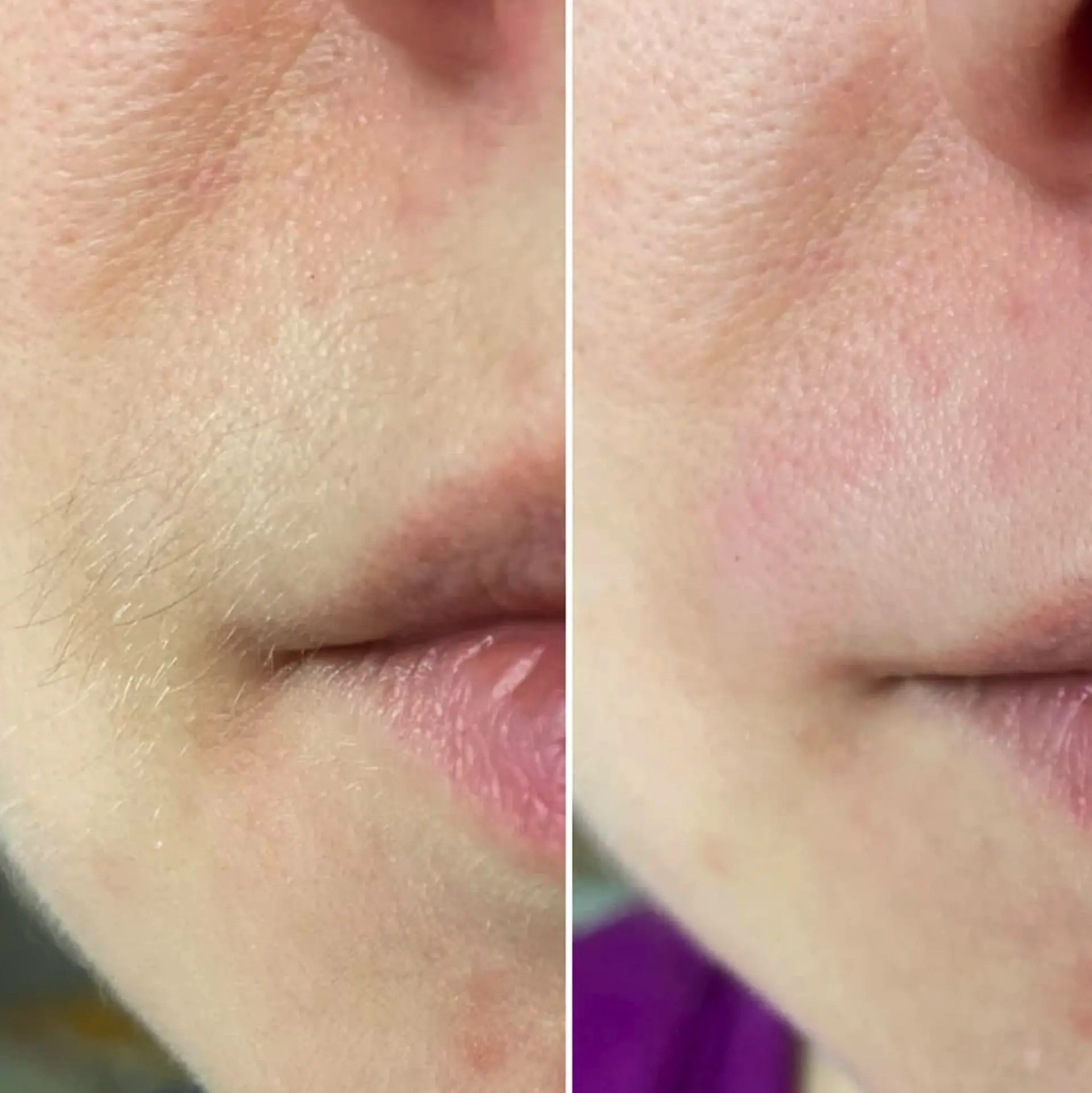
Laser hair removal is generally a safe procedure, but it’s not entirely free of potential risks. Most adverse effects are mild and temporary side effects, like redness, skin crusting, or a bit of swelling. But serious issues like burn injuries or pigment changes can occur if the treatment isn’t performed by qualified professionals using FDA-approved procedures.
Common side effects and how to avoid them:
| Risk | What Causes It | How to Avoid It |
|---|---|---|
| Skin irritation, redness | Minor side effects of light therapies | Cool compress, topical anesthetic if needed |
| Burns or blistering | High-heat lasers or the wrong energy output | Use clinics with qualified practitioners |
| Pigment changes (skin pigmentation) | Treating tanned or darker skin tones improperly | Choose laser systems matched to skin type |
| Scarring or permanent skin damage | Improper laser hair removal process | Ensure experienced professionals handle treatment |
| Eye injury | Lack of protection from laser beams | Always wearthe provided goggles during a session |
Key Risk Factors include:
- Skin colour and skin type
- Medical history (especially history of skin cancer or precancerous lesions)
- Use of certain medications or topical agents
- UV exposure or sun exposure before/after treatment
How to Choose Safe Services
Whether you’re zapping unwanted body hair in South Yarra or Fitzroy, here’s what to look for:
- Ask how many laser hair removal sessions they’ve done. Experienced practitioners will know how to customise settings for your skin tone and hair type, especially for darker skin or light skin tones.
- Look for advanced technologies like diode lasers, Nd: YAG, or Alexandrite — particularly if you have dark hair, light hair, or sensitive skin conditions.
- This ensures safety, helps avoid adverse events, and tests for skin reactions like (excessive hair growth in treated areas).
- Look for signs like clean rooms, topical anesthetics when needed, and an adequate air filtration system to manage any chemical compounds released.
- Beware of any salon that promises total hair removal in one session. Effective treatments usually take 6–10 visits.
At Cosmetic Tattoo Studio Melbourne, we’ve had many clients who combine their laser hair removal plan with other long-term cosmetic treatments — and the key to all of it is informed, safe, and personalised care.
Beauty Industry Data
Thanks to the rise of modern technology and peace of mind around the safety of laser hair, laser hair removal treatment is still booming.
According to 2025 trend reports:
- Laser hair removal is the most popular cosmetic procedure in Australian clinics, up 14% year-on-year
- Facial hair and underarms remain the top treatment areas, followed by bikini and legs
- Melbourne clients are increasingly asking about safety protocols, cancer risk, and long-term risks
- Demand for safe laser hair removal on darker skin has risen by 30% thanks to better education and laser technology like Nd: YAG
Clients are getting smarter, doing their research, and asking about things like energy output, wavelength of light, funding source of clinical studies, and safety measures — and honestly, that’s a trend I love.
FAQ
Can laser hair removal cause skin cancer?
No. Laser hair removal uses non-ionising radiation, which is not capable of altering DNA strands or increasing skin cancer risk.
What if I have a family history of cancer?
Laser treatment is not linked to cancer development, but it’s a good idea to mention your family history to your provider for peace of mind.
Does laser hair treatment affect existing moles or lesions?
Yes — they should be avoided or covered. If you have pigmented lesions, a healthcare professional should assess them first.
Are there any risks for light skin or dark skin tones?
Yes, different skin types respond differently. Clinics should use skin tone sensors and match the laser device to your skin colour to avoid burn injuries or pigment issues.
Can I get laser hair removal if I’m on medication or have skin
conditions? It depends. Some medications increase sensitivity or delay healing. Always disclose your full medical history.
 Virginia Clark